Understanding Fever: Causes, Symptoms, and When to See a Doctor
- 14 Aug 2025
- 0 Comments
- FeverAwareness, HealthTips, WhenToSeeADoctor

Understanding Fever: Causes, Symptoms, and When to See a Doctor
Fever is one of the most common health concerns experienced by people of all ages. It is not a disease itself but rather a sign that your body is fighting an infection or responding to an underlying condition. A normal body temperature typically ranges between 97°F (36.1°C) and 99°F (37.2°C), and a fever is generally defined as a temporary increase in body temperature to 100.4°F (38°C) or higher.
Fever plays an important role in your immune response, helping your body eliminate harmful viruses and bacteria. However, the seriousness of a fever depends on several factors including the age of the person, the duration of the fever, and the symptoms that accompany it. Understanding the causes, symptoms, and when to seek medical help is essential for managing fever properly.
What Causes Fever?
There are many different reasons why a person might develop a fever. Some of the most common causes include:
1. Infections
The majority of fevers are caused by infections. These can be:
-
Viral infections such as influenza (flu), the common cold, COVID-19, or dengue.
-
Bacterial infections like strep throat, urinary tract infections (UTIs), or tuberculosis.
-
Fungal infections, though less common, can also trigger fevers.
2. Inflammatory Conditions
Diseases such as rheumatoid arthritis, lupus, or Crohn's disease cause inflammation in the body and may lead to recurring or chronic fevers.
3. Heat Exhaustion
In hot climates or after intense physical activity, the body may overheat, causing heat exhaustion, which often presents with fever-like symptoms.
4. Vaccinations
In some cases, especially in children, a low-grade fever can occur after receiving a vaccine. This is usually temporary and not a cause for concern.
5. Other Medical Conditions
Certain cancers, hormone disorders (like hyperthyroidism), or reactions to medications can also result in prolonged or unexplained fevers.
Symptoms That May Accompany Fever
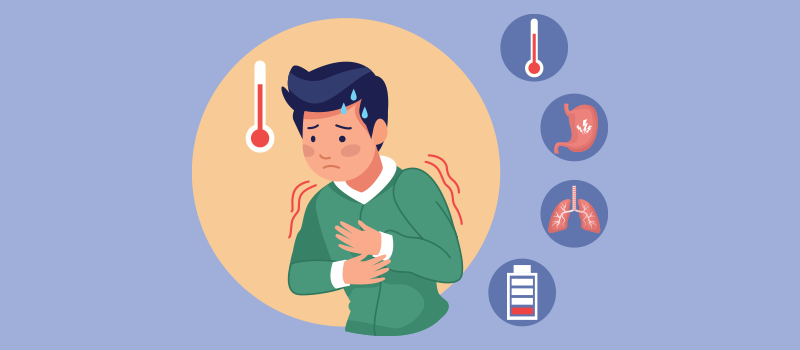
While fever itself is a symptom, it often comes with other signs that help identify the underlying issue. Common symptoms that may appear alongside fever include:
-
Chills or shivering
-
Excessive sweating
-
Headache or body aches
-
Fatigue or weakness
-
Loss of appetite
-
Flushed skin or warmth to the touch
-
Dehydration or dry mouth
-
Irritability or confusion, especially in older adults or children
It's important to monitor how these symptoms progress, as they can offer important clues about the seriousness of the condition.
When Should You See a Doctor?
Although many fevers can be managed at home with rest, hydration, and over-the-counter medications such as paracetamol (acetaminophen), there are times when medical attention is necessary.
Seek immediate medical care if:
-
The fever is very high, above 103°F (39.4°C)
-
The fever lasts more than 3 days without improvement
-
You or your child experiences difficulty breathing, chest pain, or severe headache
-
There are rashes, neck stiffness, or seizures
-
A child under 3 months has a fever above 100.4°F (38°C)
-
There are signs of dehydration, such as dry lips, sunken eyes, or reduced urination
-
You feel extremely weak, confused, or disoriented
In such cases, professional evaluation is crucial to avoid complications.
How to Treat and Manage a Fever at Home
For mild cases, you can usually manage fever with basic care:
-
Drink plenty of fluids to stay hydrated
-
Get adequate rest and avoid strenuous activity
-
Wear light clothing and keep the room temperature comfortable
-
Use over-the-counter medicines like acetaminophen (Panadol) or ibuprofen, following the recommended dose
-
Take a lukewarm sponge bath if the fever becomes uncomfortable
Do not use cold water or alcohol rubs to cool down the body as these can be harmful, especially in children.
Conclusion
Fever is a natural defense mechanism of the body that signals something may be wrong. While it is often harmless and even helpful, a fever that is too high, lasts too long, or is accompanied by serious symptoms should never be ignored. Knowing the potential causes, monitoring the symptoms, and understanding when to seek medical help can make a significant difference in recovery and overall health.
If you or a loved one has a persistent or unusually high fever, don't take chances, consult a healthcare professional to rule out any serious conditions.