Dengue Prevention: How to Protect Your Family During Mosquito Season
- 11 Sep 2025
- 0 Comments
- Dengue Prevention, Mosquito Season Safety, Family Health Protection

Dengue Prevention: How to Protect Your Family During Mosquito Season
Introduction
Every year, during and after the rainy season, the risk of dengue fever increases dramatically. Dengue is a mosquito-borne viral disease transmitted by the Aedes aegypti mosquito. It can cause high fever, severe body aches, rashes, and, in extreme cases, life-threatening complications.
The good news is that dengue can be prevented with the right precautions and awareness. In this detailed guide, we’ll cover:
-
What dengue is and how it spreads
-
Early warning symptoms
-
Effective dengue prevention tips
-
How to protect your family from mosquito bites
-
Which doctors to consult for dengue
-
Frequently asked questions
What Is Dengue?
Dengue is a viral infection transmitted by the Aedes aegypti mosquito, which usually bites during the early morning and late afternoon. There are four main types of dengue virus (DEN-1, DEN-2, DEN-3, DEN-4), and a person can be infected more than once. Dengue outbreaks are common during mosquito season, especially after heavy rainfall.
Common Symptoms of Dengue Fever
Dengue symptoms usually appear 4 to 10 days after being bitten by an infected mosquito. Some of the most common signs include:
-
High fever (up to 104°F / 40°C)
-
Severe headache
-
Pain behind the eyes
-
Muscle and joint pain (“breakbone fever”)
-
Skin rashes
-
Nausea and vomiting
-
Extreme fatigue and weakness
Severe Dengue Symptoms
In some cases, dengue can develop into severe dengue (also called dengue hemorrhagic fever). Watch out for:
-
Bleeding gums or nose
-
Vomiting blood or black stools
-
Severe abdominal pain
-
Sudden drop in blood pressure
-
Difficulty breathing
If you notice these symptoms, seek immediate medical attention.
Best Dengue Prevention Tips
1. Protect Yourself From Mosquito Bites
-
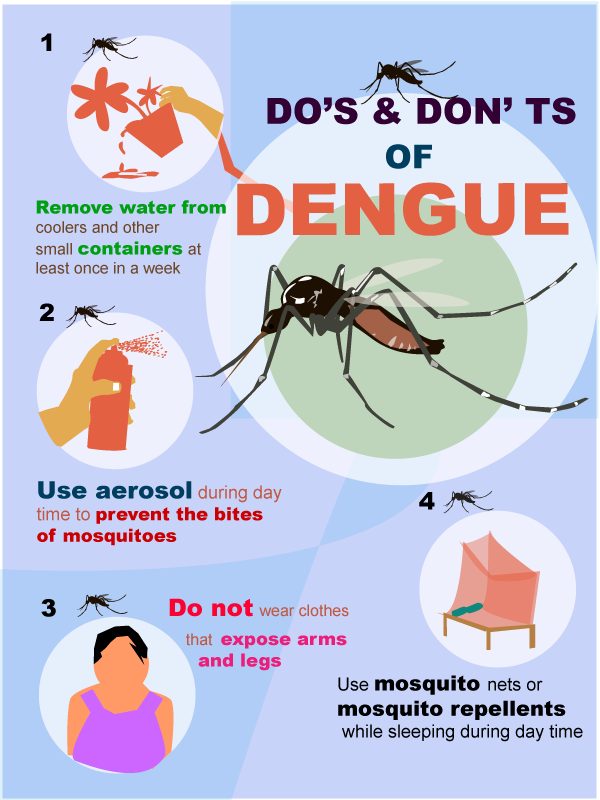
Wear long-sleeved clothing and full-length pants.
-
Use mosquito repellents (preferably DEET-based or natural repellents).
-
Install mosquito nets around beds, especially for children.
-
Avoid going out during peak mosquito activity hours (early morning & late evening).
2. Eliminate Mosquito Breeding Sites
The Aedes mosquito breeds in stagnant water. To control their population:
-
Empty and clean water containers weekly.
-
Cover water tanks and buckets.
-
Avoid leaving flowerpots, old tires, and open containers where water can collect.
3. Keep Your Home and Surroundings Safe
-
Use mosquito killer sprays or vaporizers.
-
Install mosquito screens on doors and windows.
-
Keep your surroundings clean and free from garbage.
4. Strengthen Your Family’s Immune System
-
Eat a healthy, balanced diet rich in vitamin C to boost immunity.
-
Stay hydrated by drinking plenty of water.
-
Encourage regular rest and proper sleep, especially during mosquito season.
How to Protect Your Family During Mosquito Season
-
For Children:
Always dress kids in long-sleeved clothes and apply child-safe mosquito repellents. Use bed nets for extra protection. -
For the Elderly:
Older people are more vulnerable to severe dengue complications, so extra care and regular health monitoring are essential. -
For Pregnant Women:
Dengue during pregnancy can be risky for both mother and baby. Use repellents, avoid mosquito-prone areas, and consult a doctor regularly.
Which Doctors to Consult for Dengue Prevention & Treatment
If you suspect dengue or need expert advice, these three types of doctors are most relevant:
1. Infectious Disease Specialists
-
Experts in viral infections like dengue.
-
Guide you on vaccines, treatment, and prevention strategies.
2. General Physicians / Family Medicine Specialists
-
Diagnose dengue symptoms early and provide initial treatment.
-
Offer family-focused dengue prevention tips.
3. Public Health Specialists / Epidemiologists
-
Focus on community-level prevention and mosquito control.
-
Lead dengue awareness campaigns and safety programs.
Emergency Action Plan for Severe Dengue
Seek immediate medical attention if anyone in your family shows:
-
Continuous vomiting or bleeding
-
Severe abdominal pain
-
Sudden dizziness or fainting
-
Difficulty breathing
Early medical care saves lives. Never delay hospital visits if symptoms worsen.
Frequently Asked Questions (FAQs) ❓
1. Is there a cure for dengue?
There’s no specific antiviral treatment for dengue, but proper hydration, rest, and medical monitoring help manage symptoms effectively.
2. Is there a dengue vaccine?
Some countries offer dengue vaccines, but availability varies. Consult an infectious disease specialist for guidance.
3. Are mosquito repellents safe for children?
Yes, but only use baby-safe repellents approved by doctors. Avoid applying them near the eyes, mouth, or broken skin.
4. Does dengue spread from person to person?
No, dengue spreads only through mosquito bites, not direct human contact.
5. When is mosquito season most dangerous?
Mosquito breeding increases after heavy rains and during warm, humid months. This is when dengue cases peak.
Conclusion
Dengue is a dangerous disease, but the good news is that it can be prevented. By taking simple steps like using mosquito repellents, wearing full-sleeve clothes, keeping your surroundings clean, and removing stagnant water, you can protect yourself and your family from mosquito bites. Always stay alert during mosquito season and watch out for dengue symptoms like high fever, headache, body pain, rashes, and nausea. If you notice any signs, visit a doctor immediately for proper treatment and advice. Protecting children, elderly people, and pregnant women should be your top priority since they are at higher risk of severe dengue. A little care and awareness can save lives.