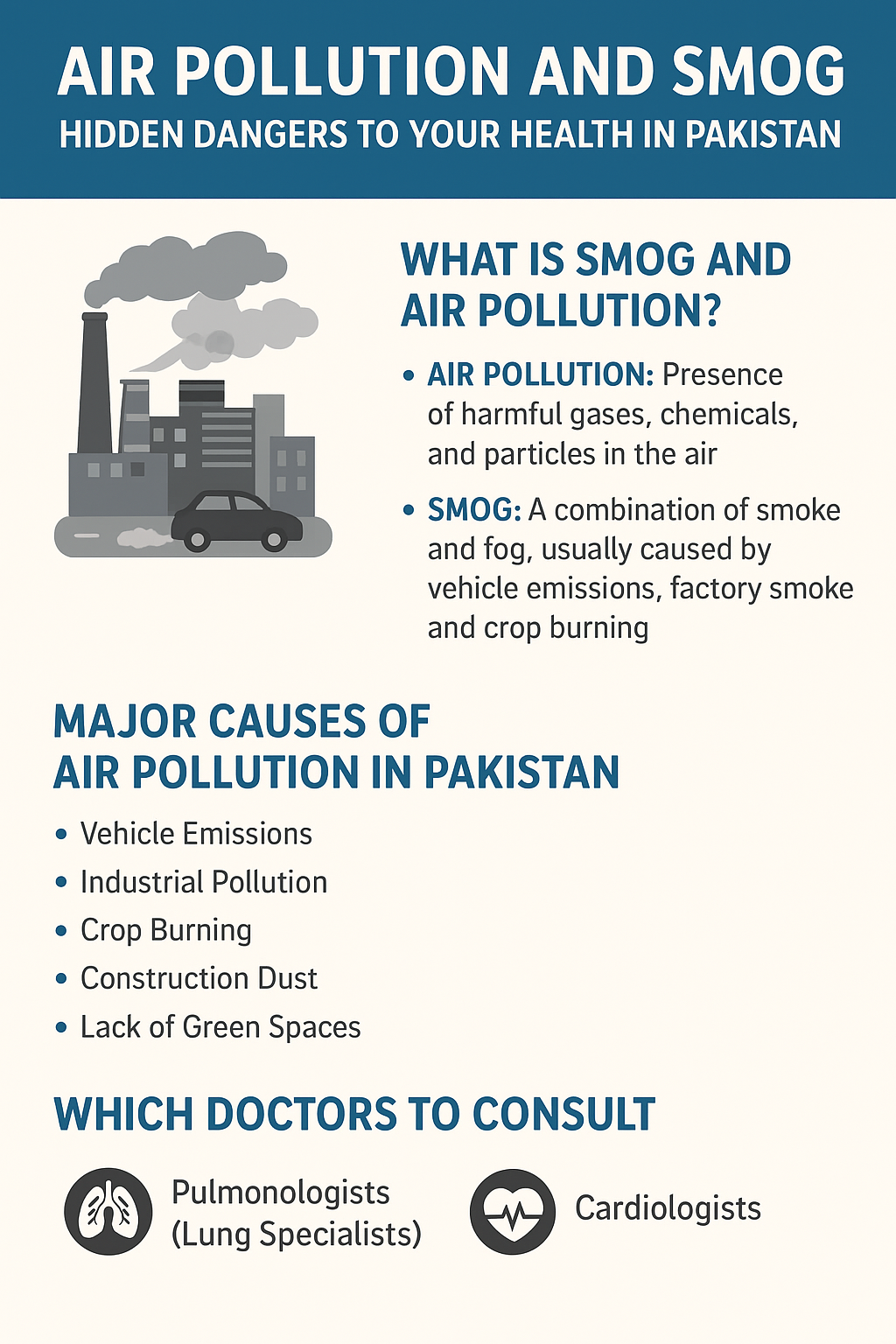
Air Pollution and Smog: Hidden Dangers to Your Health in Pakistan
- 11 Sep 2025
- 0 Comments
- Air Pollution in Pakistan, Smog Health Risks, Environmental Health Awareness

Air Pollution and Smog: Hidden Dangers to Your Health in Pakistan 🌫️
Introduction
In recent years, air pollution and smog have become a serious health crisis in Pakistan, especially in major cities like Lahore, Karachi, and Islamabad. The thick layer of smog that often covers the sky is more than just an environmental issue it’s a direct threat to human health. From breathing problems to heart disease, the hidden dangers of air pollution are putting millions of lives at risk.
This blog will explore:
-
What air pollution and smog really are
-
Their major causes in Pakistan
-
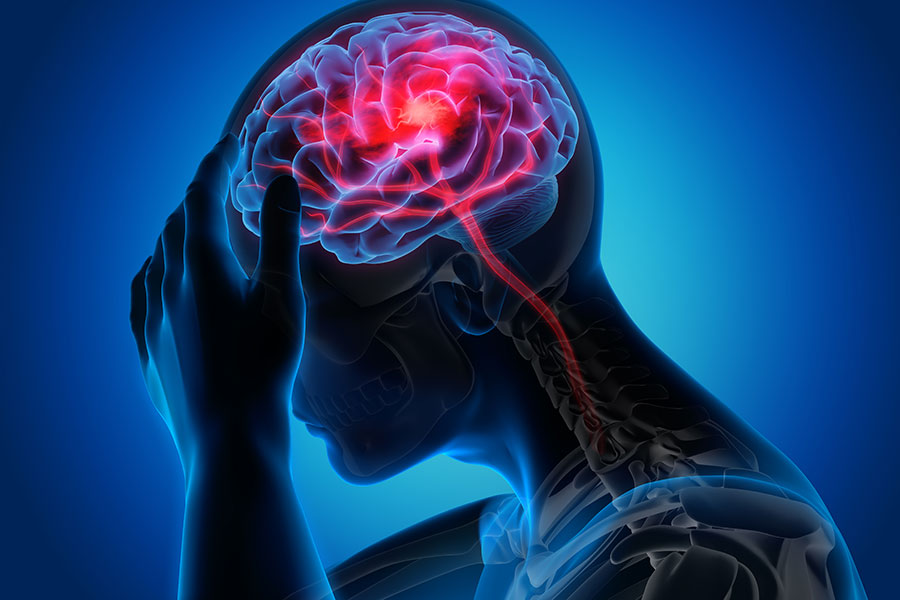
The hidden health dangers they bring
-
Steps you can take to protect yourself and your family
What Is Smog and Air Pollution?
-
Air Pollution refers to the presence of harmful gases, chemicals, and particles in the air.
-
Smog is a combination of smoke and fog, usually caused by vehicle emissions, factory smoke, and crop burning.
In Pakistan, smog levels rise dangerously during winter months, as cooler temperatures trap polluted air close to the ground.
Major Causes of Air Pollution in Pakistan
-
Vehicle Emissions – Cars, buses, and rickshaws release harmful gases like carbon monoxide and nitrogen dioxide.
-
Industrial Pollution – Factories release smoke and toxic chemicals into the air.
-
Crop Burning – Farmers burning rice stubble adds massive amounts of smoke.
-
Construction Dust – Road work and construction projects create dust pollution.
-
Lack of Green Spaces – Fewer trees mean less natural air purification.
Hidden Health Dangers of Air Pollution and Smog
Air pollution doesn’t just make the sky look dirty it silently damages your health. Some of the most dangerous effects include:
1. Respiratory Problems
-
Asthma attacks
-
Chronic cough and throat irritation
-
Increased risk of lung infections
2. Heart and Blood Pressure Issues
-
Air pollution increases the risk of heart attacks and high blood pressure.
3. Eye and Skin Irritation
-
Burning eyes, allergies, and skin problems are common during smog season.
4. Weak Immune System
-
Long-term exposure weakens the body’s defense system, making people more vulnerable to diseases.
5. Impact on Children and Elderly
-
Children’s lungs are still developing, making them more vulnerable.
-
Elderly people with existing conditions like asthma, diabetes, or heart disease are at higher risk.
How to Protect Yourself and Your Family
1. Use Face Masks
-
Wear N95 masks during smog season to reduce inhaling harmful particles.
2. Stay Indoors
-
Avoid outdoor activities when smog levels are high.
-
Keep windows closed to reduce indoor pollution.
3. Use Air Purifiers
-
Install air purifiers at home to reduce indoor pollution.
4. Keep Healthy Diet & Hydration
-
Eat fruits and vegetables rich in Vitamin C to strengthen immunity.
-
Drink plenty of water to flush out toxins.
5. Plant More Trees
-
Promote greenery in your surroundings to naturally clean the air.
Which Doctors to Consult for Smog-Related Illnesses?
-
Pulmonologists (Lung Specialists) – For breathing and respiratory issues.
-
Cardiologists – For heart and blood pressure problems caused by air pollution.
-
General Physicians – For basic health check-ups, flu, cough, and eye irritation.
Conclusion
Air pollution and smog are hidden killers in Pakistan. They not only harm the environment but also silently affect human health every single day. From lung diseases to heart problems, the dangers are real and alarming. But the good news is we can protect ourselves and our families. By wearing masks, using air purifiers, avoiding outdoor exposure during smog season, and promoting tree plantation, we can reduce the impact of pollution. Ultimately, the fight against smog requires both personal responsibility and government action. As individuals, we must take preventive steps at home, and as a society, we must push for cleaner energy, better public transport, and stricter pollution control laws.