Mental Health in the Workplace: Coping with Stress and Burnout
- 11 Sep 2025
- 0 Comments
- WorkplaceMentalHealth, StressAndBurnout, EmployeeWellbeing

Mental Health in the Workplace - Coping with Stress and Burnout
Introduction
In today’s fast-paced world, work pressure and expectations are higher than ever. While jobs provide financial stability and growth opportunities, they can also become a source of mental strain. Stress and burnout are now some of the most common workplace problems, affecting both employees and employers. Understanding these challenges and learning how to manage them is key to creating a healthier, more productive environment.
What is Workplace Stress?
Workplace stress happens when job demands are greater than an employee’s ability to cope. It may be caused by:
-
Long working hours
-
Heavy workloads
-
Lack of support from managers or colleagues
-
Job insecurity
-
Poor work-life balance
Stress in small amounts can sometimes push people to perform better, but when it becomes constant, it negatively impacts both physical and mental health.
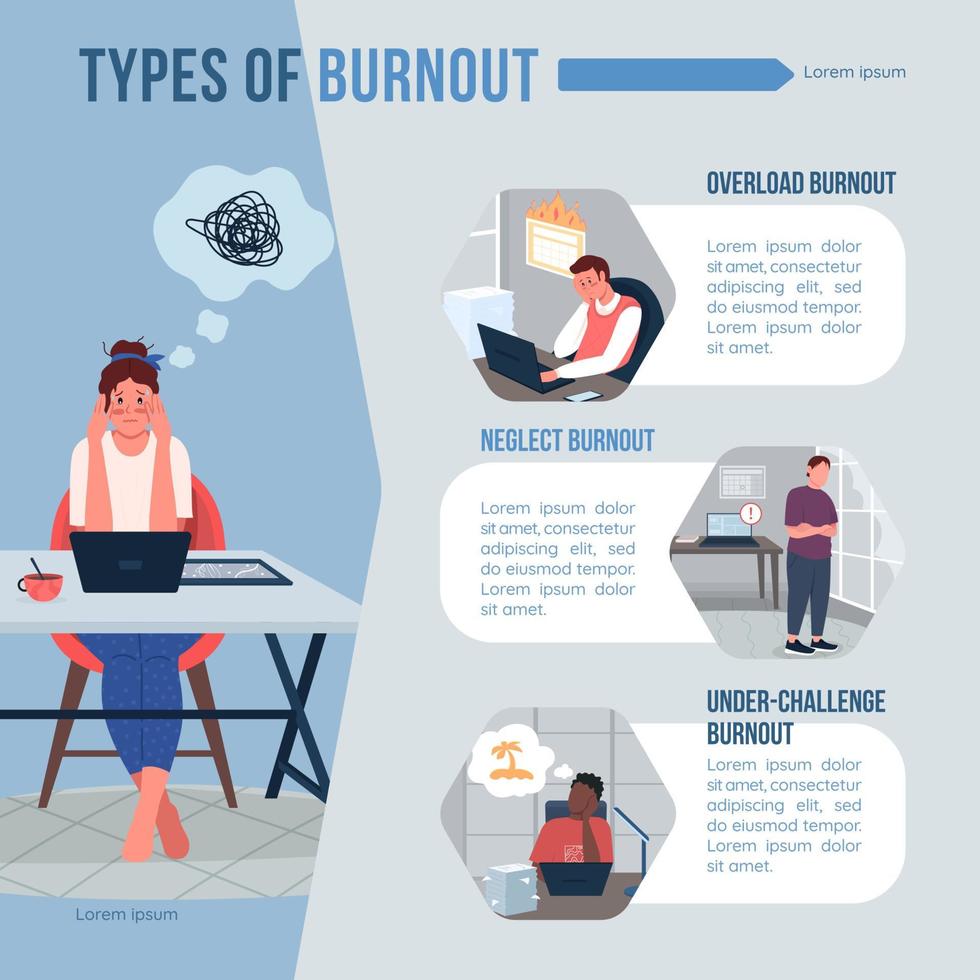
What is Burnout?
Burnout is a state of emotional, mental, and physical exhaustion caused by prolonged stress at work. Signs of burnout include:
-
Feeling drained and tired all the time
-
Losing motivation or interest in work
-
Reduced productivity
-
Difficulty concentrating
-
Increased irritability and frustration
Burnout does not happen overnight. It develops slowly over time and, if ignored, can seriously damage mental health and career growth.
How to Cope with Stress and Burnout
1. Practice Time Management
Organize your tasks, set priorities, and avoid unnecessary multitasking. Break big tasks into smaller, manageable steps.
2. Maintain Work-Life Balance
Take regular breaks, avoid working late every day, and spend time with family and friends. A balanced lifestyle helps recharge your energy.
3. Build Healthy Habits
Regular exercise, healthy eating, and quality sleep play a big role in reducing stress levels. Even a 10-minute walk during the workday can refresh your mind.
4. Seek Support
Talk to a colleague, supervisor, or a mental health professional. Sharing your struggles can reduce the burden and bring new solutions.
5. Practice Relaxation Techniques
Meditation, breathing exercises, or simply disconnecting from screens for a while can help calm the mind.
Role of Employers
Employers play an important role in preventing stress and burnout. Organizations can:
-
Promote open communication
-
Provide mental health resources
-
Offer flexible working hours
-
Recognize employee achievements
-
Create a positive and respectful workplace culture
Conclusion
Mental health in the workplace is no longer a topic we can ignore. Stress and burnout not only harm individual well-being but also affect team performance and organizational success. By practicing self-care, seeking support, and creating a culture that values employee well-being, both workers and companies can thrive together. Work should be a place for growth, learning, and achievement not a source of constant exhaustion. Managing stress and preventing burnout is possible when we commit to healthier habits and compassionate work environments. Remember, taking care of your mental health is just as important as meeting deadlines and targets. A healthy mind is the foundation of a successful career and a fulfilling life.